
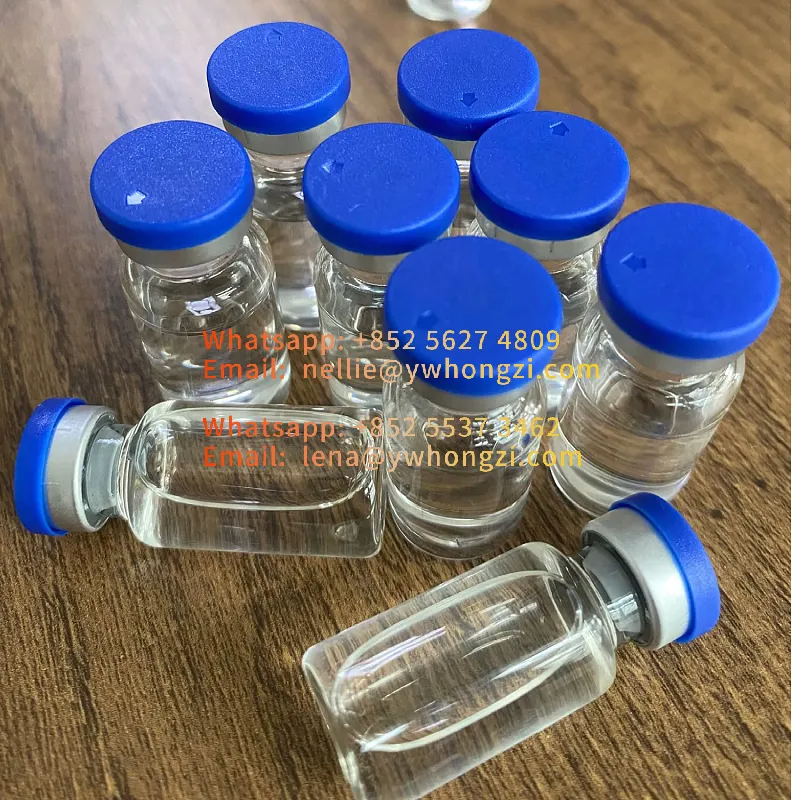
How Effective Is Tirzepatide for Long-Term Metabolic Health?
When searching for solutions to manage type 2 diabetes or obesity, long-term effectiveness is a top concern. Tirzepatide has emerged as a popular option, but how well does it work over time? In this article, we’ll dive into clinical data, user experiences, and key factors that make Tirzepatide a strong candidate for sustained metabolic health.
Clinical Studies: Tirzepatide’s Long-Term Results
Multiple long-term studies have tracked Tirzepatide’s performance over 1-2 years, providing valuable insights into its lasting effects.
A 2024 phase 3 trial published in The Lancet followed over 2,000 adults with type 2 diabetes. After 18 months, participants using Tirzepatide maintained an average A1C reduction of 1.8%, significantly higher than the 1.2% reduction seen with other leading GLP-1 agonists. More importantly, 78% of users kept their A1C below 7% (the target for most adults with diabetes) throughout the study.
For weight management, a 2-year study in JAMA showed that adults with obesity lost an average of 15% of their body weight with Tirzepatide, and 65% maintained at least 10% weight loss after discontinuing the medication—thanks to improved habits formed during treatment. This suggests Tirzepatide doesn’t just provide short-term results but helps reset metabolic patterns.
How Tirzepatide Compares to Other Metabolic Medications
Understanding how Tirzepatide stacks up against alternatives is key for informed decisions:
Vs. Ozempic (Semaglutide): Both are GLP-1 agonists, but Tirzepatide’s dual action (targeting GIP too) leads to 20-30% greater weight loss and A1C reduction in head-to-head trials. It also has a lower risk of injection site reactions.
Vs. Metformin: Metformin is a first-line diabetes drug, but Tirzepatide offers better blood sugar control and additional weight loss benefits. Metformin may be preferred for those with mild diabetes, while Tirzepatide shines for moderate to severe cases.
- 55 Main Street, Australia
- nellie@ywhongzi.com lena@ywhongzi.com
- +852 5627 4809 +852 5537 3462