
Can GHK – Cu Peptide Transform Your Skincare Routine? Discover the Secrets
In the bustling realm of skincare, where trends come and go, there’s one ingredient that’s been steadily gaining attention for its remarkable benefits. But what is it about GHK – Cu peptide that has skincare enthusiasts and experts alike singing its praises? Could this tiny molecule be the missing piece in your quest for healthier, more youthful – looking skin? Let’s dive in and find out.
What Makes GHK – Cu Peptide a Skincare Game – Changer?
GHK – Cu peptide, short for glycyl – histidyl – lysyl – copper, is a naturally occurring tripeptide combined with a copper ion. Discovered in human serum in the 1970s by Dr. Loren Pickart, this compound has since been the subject of numerous studies exploring its effects on skin health. Its unique structure, where the tripeptide (glycine – histidine – lysine) binds to a copper ion, gives it powerful properties that set it apart from other skincare ingredients.
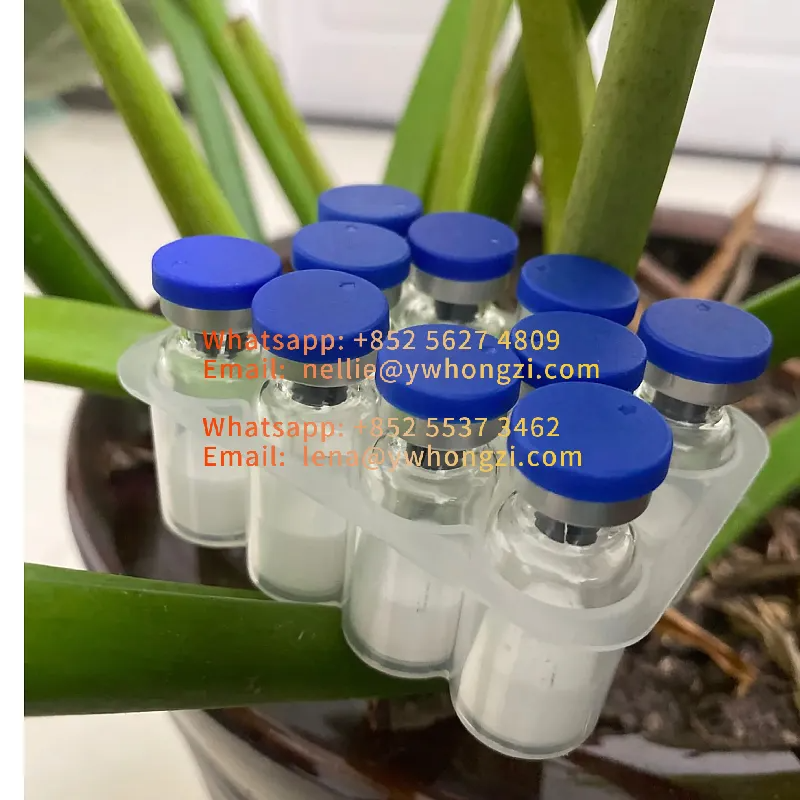
Unlike many synthetic compounds, GHK – Cu peptide works with the skin’s natural processes, making it suitable for a wide range of skin types, including sensitive skin. Its “blue” hue, a result of the copper ion in solution, has also earned it the nickname “blue copper peptide,” making it easily recognizable in ingredient lists.
Does GHK – Cu Peptide Really Boost Collagen and Elastin?
If you’re concerned about fine lines, wrinkles, or sagging skin, you’ve probably heard about the importance of collagen and elastin. These two proteins are the building blocks of firm, elastic skin, but their production slows down as we age. So, can GHK – Cu peptide reverse this decline?
The answer, according to research, is a resounding yes. Studies have shown that GHK – Cu peptide stimulates fibroblasts, the cells responsible for producing collagen and elastin. In a landmark study by Abdulghani et al., 20 female volunteers with photoaged skin used a facial cream containing GHK – Cu peptide. After a period of use, their skin showed a significant increase in collagen levels. What’s more, the results were even better than those seen with products containing vitamin C or retinoic acid, two well – known collagen boosters.
This means that incorporating GHK – Cu peptide into your routine could help your skin maintain its structure and elasticity, keeping it looking plump and youthful for longer.
Can GHK – Cu Peptide Speed Up Wound Healing and Skin Repair?
Our skin is constantly exposed to environmental stressors, from UV rays to pollution, and even minor cuts or scrapes. So, does GHK – Cu peptide have what it takes to help the skin repair itself more effectively?
Research suggests that it does. GHK – Cu peptide has been found to accelerate wound healing by promoting cell migration and proliferation, as well as encouraging the formation of new blood vessels (angiogenesis). This not only helps with healing cuts and scrapes but also aids in repairing the daily damage our skin endures, such as from sun exposure or harsh skincare products.
A 12 – week clinical trial by Leyden et al. tested face and eye creams containing GHK – Cu peptide. The results were impressive: participants saw improvements in skin laxity, clarity, and overall appearance. Their skin became denser and thicker, with fewer fine lines and wrinkles compared to those using a placebo. The eye cream with GHK – Cu peptide even outperformed a vitamin K cream, a common ingredient in eye care for its healing properties. This further proves that GHK – Cu peptide is a powerful ally in skin regeneration.
Is GHK – Cu Peptide Effective Against Oxidative Stress and Inflammation?
Oxidative stress, caused by free radicals, and inflammation are major contributors to skin aging and damage. Free radicals break down collagen and elastin, leading to premature aging, while inflammation can cause redness, irritation, and even acne. So, can GHK – Cu peptide combat these issues?
As an antioxidant, GHK – Cu peptide neutralizes free radicals, protecting skin cells from oxidative damage. This helps slow down the aging process and keeps the skin looking healthy. Its anti – inflammatory properties are equally valuable. By inhibiting the release of inflammatory cytokines, GHK – Cu peptide calms the skin’s immune response, reducing redness and irritation. This makes it a great choice for those with sensitive skin or conditions like rosacea.
- 55 Main Street, Australia
- nellie@ywhongzi.com lena@ywhongzi.com
- +852 5627 4809 +852 5537 3462